Can Exercise Prevent or Correct Sagging Breasts?
Published on September 9, 2026 by John Farella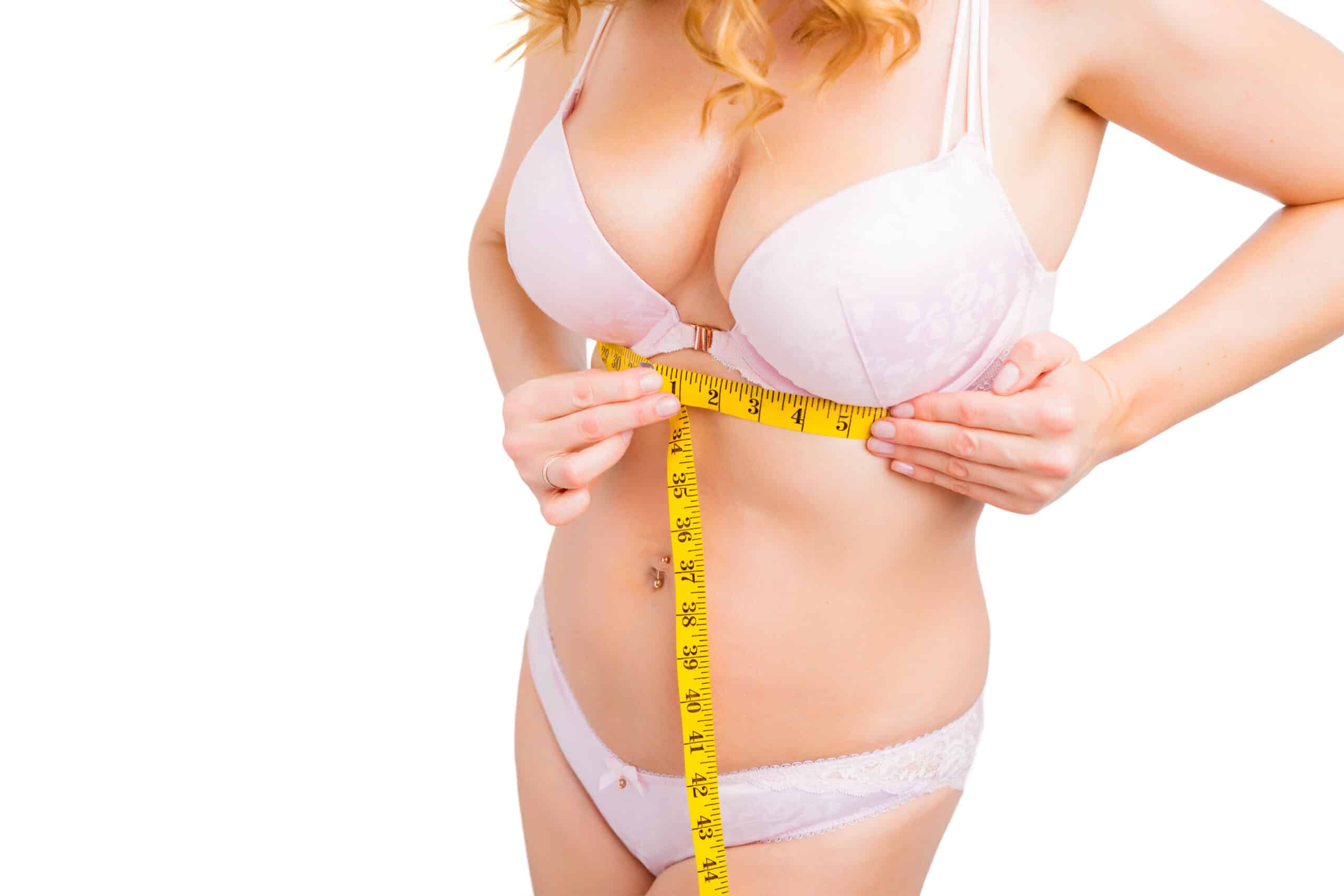
You may wonder why your breasts still sag despite regular exercise and a healthy lifestyle. Aging, pregnancy, breastfeeding, weight changes, genetics, and gravity can all affect breast position. Dr. John Farella, a board-certified plastic surgeon, explains when exercise can help and when breast lift surgery may be appropriate in Westchester, NY.
Why Do Breasts Sag?
Breast sagging, also called breast ptosis, happens when the breasts sit lower on the chest. Stretched skin, reduced elasticity, and changes in breast volume can all contribute to this change.
Your breasts do not contain muscle, so exercise cannot directly tighten breast tissue. Instead, your breasts rest over the pectoral muscles, which can strengthen with targeted chest exercises.
Can Exercise Help Prevent Sagging?
Strengthening your chest muscles can improve the appearance of the area beneath your breasts. Exercises such as push-ups, chest presses, and chest flies target the pectoral muscles that support the breast area.
Building these muscles may create a firmer-looking foundation and improve overall chest definition. However, these exercises do not strengthen the breast tissue itself because breasts contain fat and glandular tissue, not muscle.
Exercise may also support a healthy, stable weight, which can help limit repeated skin stretching. Still, pregnancy, breastfeeding, aging, genetics, and gravity can affect breast shape even when you exercise regularly.
Your breast position may therefore change over time despite maintaining strong chest muscles. Exercise can support your overall appearance, but it cannot guarantee that your breasts will remain lifted.
Can Exercise Correct Sagging Breasts?
Exercise cannot reverse significant breast sagging because it cannot remove stretched skin or reposition lowered breast tissue. Strengthening the pectoral muscles may improve the foundation beneath your breasts, but it does not physically lift them.
The amount of sagging also matters. Mild changes may be less noticeable as the chest muscles strengthen, while more significant sagging usually involves changes that exercise cannot address.
Signs of more noticeable breast ptosis can include breasts sitting lower on the chest, downward-pointing nipples, and excess or stretched skin. These changes may remain even when you maintain a healthy weight and exercise consistently.
A breast lift addresses these concerns differently by removing excess skin and reshaping existing breast tissue. The procedure can also reposition the breasts and nipples higher on the chest, creating a more elevated and balanced contour.
When Is a Breast Lift Considered?
A breast lift may be considered when sagging remains despite regular exercise and a stable weight. Common signs include downward-pointing nipples, stretched skin, and breasts sitting lower on the chest.
Also called mastopexy, a breast lift focuses on raising and reshaping the breasts rather than significantly increasing their size. You can learn more about what happens after surgery in this guide to breast lift recovery.
How Does a Breast Lift Address Sagging?
During a breast lift, excess skin is removed, and existing breast tissue is reshaped. The nipples can also be repositioned higher on the chest to improve breast shape and contour.
The goal is a higher breast position and a more balanced appearance. During your consultation, Dr. Farella can discuss the incision pattern, expected changes, recovery, and potential risks.
Breast Lift vs. Breast Augmentation
A breast lift corrects sagging, improves breast position, and repositions the nipples. Breast augmentation focuses on increasing breast volume and fullness, usually with implants. These procedures address different concerns, so one may be more appropriate depending on your goals.
A lift can raise breasts that have dropped lower on the chest, but it does not significantly increase their size. Augmentation can add volume and fullness, but implants alone may not correct significant sagging or reposition lowered nipples.
Some patients have both noticeable sagging and a desire for additional volume. In these cases, combining a breast lift with augmentation may raise the breast position while restoring or increasing fullness. Your breast shape, skin quality, existing volume, and desired results all factor into the recommended approach.
If you are considering a breast lift with implants, learn more about common mistakes after a breast lift with implants before your consultation.
Why Choose Dr. John Farella for Your Breast Lift in Westchester, NY
John F. Farella, MD, FACS, is certified by the American Board of Plastic Surgery and has practiced plastic surgery for more than 25 years. He completed his plastic surgery training at the University of Oklahoma College of Medicine and Lenox Hill Hospital.
At his practice in Westchester, NY, Dr. Farella performs cosmetic surgery and provides private consultations. He also serves as an Assistant Clinical Professor of Plastic Surgery at New York Medical College.
Ready to Address Sagging Breasts?
Exercise can strengthen your chest, but it cannot lift breast tissue or remove loose skin. If you are considering a breast lift in Westchester, NY, schedule a consultation with Dr. John Farella to discuss your breast shape, goals, and options. Call us at 914-241-7111 or complete the online form to book your consultation.